
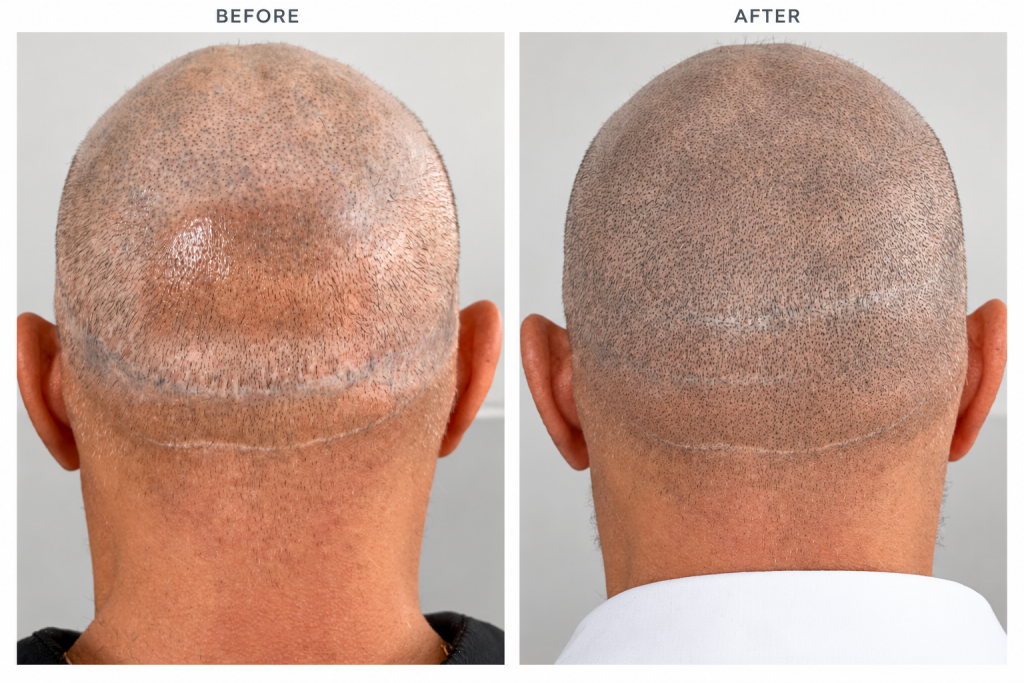
Scar Camouflage Tattoo in Salt Lake City, Utah
Make scars less noticeable with customized Tattooing at 3D Brows.
This is a specialized paramedical tattooing technique that uses custom-blended skin-tone pigments to help scars blend more naturally with the surrounding skin.
Rather than covering a scar with a traditional tattoo, this technique is designed to reduce the difference in color between the scar and your natural skin, creating a softer, more even-looking appearance.
At 3D Brows in Draper, Utah, we provide services for clients throughout Salt Lake City, Draper, Sandy, South Jordan, Lehi and the surrounding Wasatch Front.
What Is Tattooing?
This technique—also referred to as paramedical tattooing, medical tattooing, skin camouflage tattooing or micropigmentation—uses carefully selected pigments to visually blend healed scars with the surrounding skin.
Every person’s skin tone is different. That’s why it requires more than simply choosing a “skin-colored” pigment.
The artist evaluates your natural skin color and undertones and customizes the pigment specifically for the area being treated.
The goal is to create a natural-looking transition between the scar and surrounding skin so the scar attracts less attention.
This technique does not remove the scar or change the underlying scar tissue or texture. It works by minimizing color contrast and making the scar visually blend more naturally into the skin.
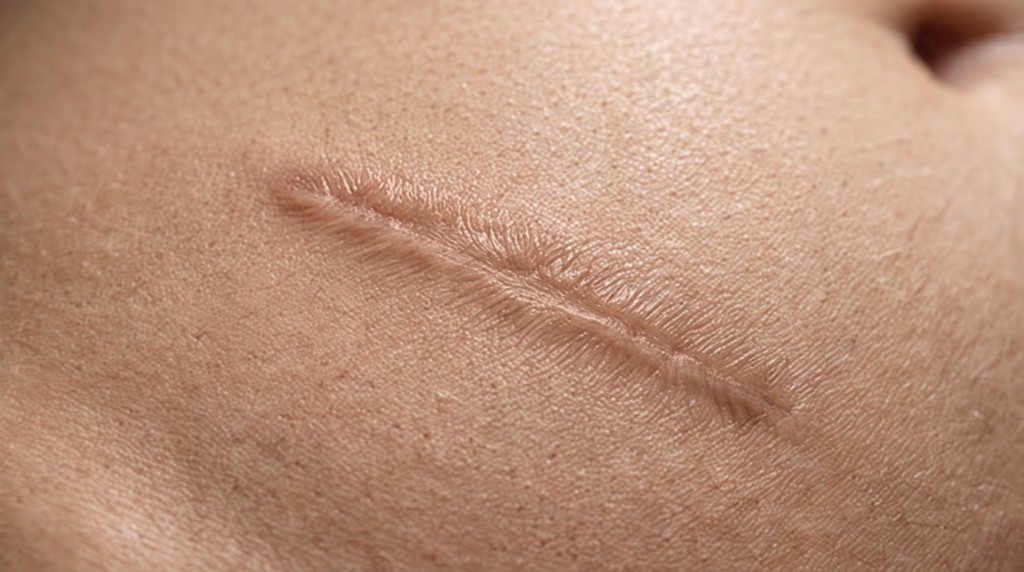
What Types of Scars Can Be Camouflaged?
It may be an option for many types of fully healed scars and areas of skin discoloration.
Common treatments include:
Surgical Camouflage
Reduce the visible contrast of scars left following surgical procedures.
C-Section Camouflage
Custom pigment matching can help a healed C-section scar blend more naturally with the surrounding abdominal skin.
Tummy Tuck Camouflage
Long tummy-tuck or abdominal surgery scars can often be treated with custom skin-tone pigments to make the scar less visually noticeable.
Breast Surgery Camouflage
This technique may help improve the appearance of healed scars following breast augmentation, lift, reduction, reconstruction or other breast procedures.
Burn Scar Camouflage
Certain fully healed burn scars may be candidates for pigmentation designed to better blend the affected area with surrounding skin.
Injury Scar Camouflage
Scars caused by accidents, cuts or other injuries may be treated once they are fully healed and stable.
Facelift Scar Camouflage
Small healed surgical scars around the hairline, ears or other areas following facial procedures may be candidates for this technique.
Hair Transplant Scar Camouflage
Micropigmentation techniques may help reduce the visual appearance of certain scars associated with hair transplantation or scalp procedures.
Stretch Mark Camouflage
Stretch marks with a significant color difference from the surrounding skin may also be candidates for specialized tattooing.
Because every scar is different, a consultation is necessary to determine whether this technique is appropriate for your skin and scar.
How Does Scar Camouflage Work?
Successful Scar Camouflage starts with understanding the scar, the surrounding skin and how color will heal within that particular area.
1. Scar Evaluation
We first evaluate factors including:
- Age of the scar
- Scar color
- Skin tone
- Skin undertones
- Scar texture
- Location
- Size of the treatment area
- Previous procedures or treatments
Scars should be fully healed and stable before the technique is performed.
2. Custom Skin-Tone Pigment Matching
Pigments are selected and blended specifically for your skin.
Because natural skin contains multiple undertones, pigment selection requires an understanding of color theory and how implanted pigment will change as it heals.
3. Scar Camouflage Tattoo Procedure
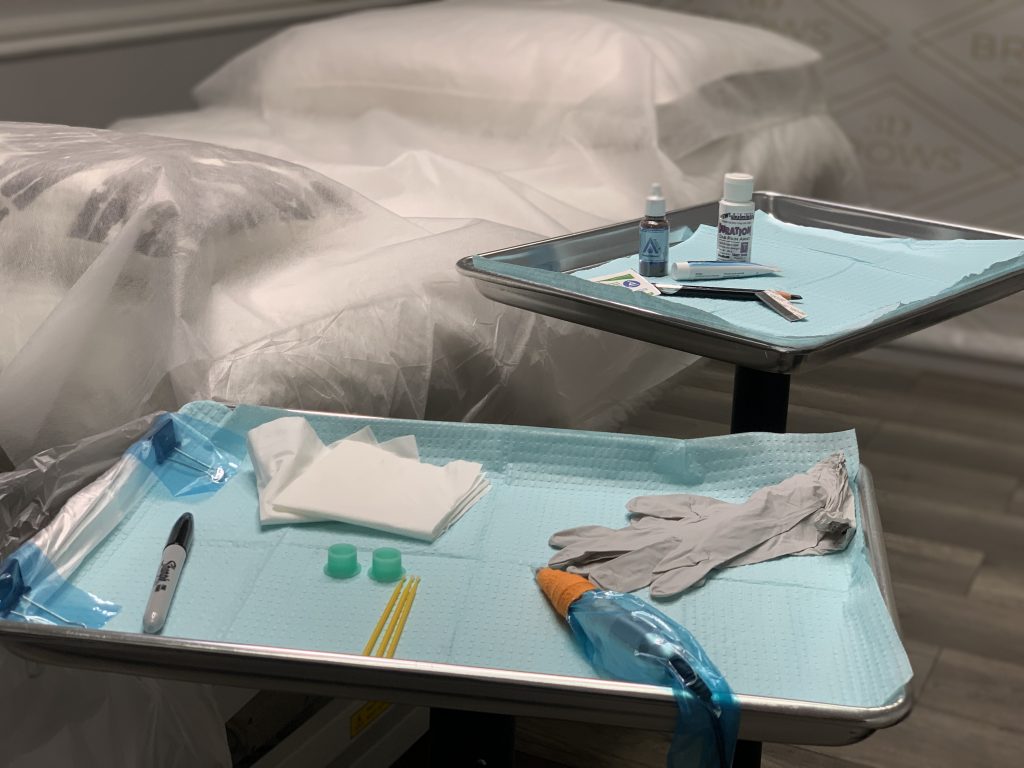
Using professional permanent makeup equipment, pigment is carefully implanted into the area of discoloration.
Color is gradually built to help the scar blend with the surrounding skin while maintaining a natural-looking result.
4. Healing
The treated area will go through a healing process after the procedure.
Pigment can initially appear different or more noticeable before softening and settling into the skin.
5. Follow-Up & Additional Sessions
Scar tissue can respond differently to pigment than untreated skin.
Depending on the scar, skin type, size of the treatment area and pigment retention, more than one session may be recommended to gradually build the best result.
Is This Technique Right for Me?
It may be a good option if:
- Your scar is fully healed
- Your scar is lighter or noticeably different in color from your surrounding skin
- The scar causes you to feel self-conscious
- You want a natural-looking alternative to covering the area with makeup
- You have realistic expectations about improving rather than completely eliminating the appearance of the scar
Not every scar is an ideal candidate.
Raised scars, significantly textured scars, active inflammation, recently healed scars and certain skin conditions may require additional evaluation or may not be appropriate for tattooing.
This is why we recommend beginning with a consultation.
Why Choose 3D Brows for This Technique?
15+ Years of Permanent Makeup Experience
Frequently Asked Questions About This Technique
Does Scar Camouflage remove scars?
No. Scar Camouflage does not physically remove scar tissue. It uses customized pigment to help reduce the visible color difference between the scar and surrounding skin.
Is Scar Camouflage the same as a tattoo?
Scar Camouflage uses tattooing techniques to implant pigment into the skin, but unlike traditional decorative tattooing, the objective is to recreate and blend natural skin tones rather than create visible artwork.
It is commonly referred to as paramedical tattooing, medical tattooing, scar micropigmentation or skin camouflage tattooing.
How many Scar Camouflage sessions will I need?
Every scar responds differently. Some areas may achieve the desired improvement with fewer treatments, while others may require additional sessions to gradually build and refine the pigment.
We evaluate your individual scar and treatment area before recommending a treatment plan.
How old does my scar need to be?
Scar Camouflage should generally only be performed on scars that are fully healed and stable.
We will evaluate your scar during the consultation to determine whether it is ready for treatment.
Can you camouflage a C-section scar?
Yes, for most cases. Fully healed C-section scars may be candidates for Scar Camouflage. Custom pigment is matched to the surrounding abdominal skin to help reduce the contrast of the scar.
Can you camouflage a tummy tuck scar?
Yes, certain fully healed tummy-tuck scars may be good candidates. Because tummy-tuck scars can cover a larger area, treatment time and the number of sessions will depend on the individual scar.
Can Scar Camouflage help stretch marks?
Certain stretch marks can be treated using similar skin-tone camouflage techniques. We first evaluate their color, texture and condition to determine whether camouflage pigmentation is appropriate.
Is Scar Camouflage permanent?
Scar Camouflage pigment can be long-lasting, but implanted pigment can gradually change or fade over time. Skin changes, sun exposure, lifestyle and other factors can affect how the pigment ages.
How much does Scar Camouflage cost?
Scar Camouflage pricing depends on the size, location, type and complexity of the treatment area.
Because a small surgical scar requires significantly less treatment than a large tummy-tuck scar or multiple treatment areas, we recommend a consultation to determine pricing and the appropriate treatment plan.
